What is design?
Oct 28, 2023

"What is design?" seems simple, but it actually contains profound philosophy of life. In other words, it is a lifelong question for every designer. The definition of design varies from project to project, from field to field, from time to time, and even from life stage to life stage. The definition of design is a dynamic and multi-dimensional process, and such a process needs to be experienced and understood through countless practices to obtain a personal definition.
1. The Definition of Design Varies
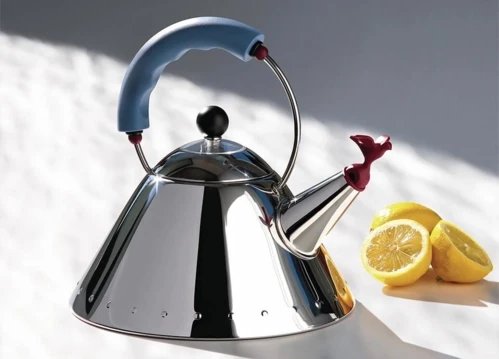
One can see from the design tendencies of various Chinese universities that different schools have different design styles or tendencies determined by historical factors. For example, Wuxi Light Industry University was the predecessor of Jiangnan University, which determines the advantage of Jiangnan University in small household appliance design. The design of Zhejiang University is mainly driven by technology innovation because it is under the College of Computer Science. The design of the China Academy of Art is more inclined towards non-technical innovation due to the majority of students admitted through painting tests. These examples show that the definition of design varies from person to person, from place to place, and from time to time. The variation over time is also reflected in the fact that excellent designs in the past may not be suitable now. For example, the bird-shaped kettle designed by Graves may not be suitable today. Therefore, design has a sense of timeliness. It is merely a product of its time and cannot be applied inflexibly to current design problems.
Similarly, the definition of design is different for each individual due to different life experiences, personality types, and spiritual states. For designers themselves, accepting and accommodating the diversity of design and incorporating the essence into their own understanding of design is crucial.
2. Design is___?
As for the question "what is design?", different people may have different definitions. Currently, there are several mainstream design philosophies:
Design is about aesthetics. This may be the initial understanding of most novice designers. People's first impression of design lies in the appearance of the design work. Aesthetics, including shape, color, and materials, is an important aspect of appearance. This answer is therefore easy to come by.
Design is about making money. This answer comes from a friend of mine named pzx, who is a car designer and learned this answer from his Bauhaus-graduate mentor zlh. This answer may be related to the history of American designers or automotive design. Unlike European designers, most American designers do not have advanced degrees, and many have backgrounds in architecture; design in the United States originates from the commercialization of design. The latter created “planned obsolescence” to deliberately make products obsolete after a certain period of time, encouraging consumers to buy new products to boost sales.
Design is about promoting social progress. This is my understanding of design, mainly influenced by European architects who often put social significance first. I also believe in this idea. Therefore, I try to apply this idea in my own design practice. As I see it, design is for people. The essence of people is social relations, and interaction is the underlying logic of all design, including human-object, human-human, object-object, human-environment, and object-environment. This is also why I root for interaction.
In summary, the definition of design requires countless experiences and recognitions to discover. Design is a process of constant cyclical development, from practice to recognition, from recognition to practice, and so on. The definition of design will become more three-dimensional, just like people, as one understands design, more about life is understood.
3. Interdisciplinary Studies
I strongly advocate interdisciplinary studies, which lead to the creation of new interdisciplinary fields. "An interdisciplinary field is, based on interdisciplinary study, the creation of a series of new concepts, theories, methods, and a new epistemology, and forms a richer knowledge domain with all the characteristics of a mature discipline," said the Academic Degrees Committee of the State Council.
Interdisciplinary studies are an unavoidable historical process that combines regularity and purpose. In the past, it injected vitality into the manufacturing industry - industrial design. Now, it will intersect with a variety of disciplines, such as computer science, management science, art, law, economics, etc. Studying the strengths of other disciplines is greatly beneficial for one's own design thinking. This is why I expand my vision.
"Being passionate about design and keeping curiosity alive will be a perpetual driving force on the road to design learning."
What is design?
Oct 28, 2023
"What is design?" seems simple, but it actually contains profound philosophy of life. In other words, it is a lifelong question for every designer. The definition of design varies from project to project, from field to field, from time to time, and even from life stage to life stage. The definition of design is a dynamic and multi-dimensional process, and such a process needs to be experienced and understood through countless practices to obtain a personal definition.
1. The Definition of Design Varies
One can see from the design tendencies of various Chinese universities that different schools have different design styles or tendencies determined by historical factors. For example, Wuxi Light Industry University was the predecessor of Jiangnan University, which determines the advantage of Jiangnan University in small household appliance design. The design of Zhejiang University is mainly driven by technology innovation because it is under the College of Computer Science. The design of the China Academy of Art is more inclined towards non-technical innovation due to the majority of students admitted through painting tests. These examples show that the definition of design varies from person to person, from place to place, and from time to time. The variation over time is also reflected in the fact that excellent designs in the past may not be suitable now. For example, the bird-shaped kettle designed by Graves may not be suitable today. Therefore, design has a sense of timeliness. It is merely a product of its time and cannot be applied inflexibly to current design problems.
Similarly, the definition of design is different for each individual due to different life experiences, personality types, and spiritual states. For designers themselves, accepting and accommodating the diversity of design and incorporating the essence into their own understanding of design is crucial.
2. Design is___?
As for the question "what is design?", different people may have different definitions. Currently, there are several mainstream design philosophies:
Design is about aesthetics. This may be the initial understanding of most novice designers. People's first impression of design lies in the appearance of the design work. Aesthetics, including shape, color, and materials, is an important aspect of appearance. This answer is therefore easy to come by.
Design is about making money. This answer comes from a friend of mine named pzx, who is a car designer and learned this answer from his Bauhaus-graduate mentor zlh. This answer may be related to the history of American designers or automotive design. Unlike European designers, most American designers do not have advanced degrees, and many have backgrounds in architecture; design in the United States originates from the commercialization of design. The latter created “planned obsolescence” to deliberately make products obsolete after a certain period of time, encouraging consumers to buy new products to boost sales.
Design is about promoting social progress. This is my understanding of design, mainly influenced by European architects who often put social significance first. I also believe in this idea. Therefore, I try to apply this idea in my own design practice. As I see it, design is for people. The essence of people is social relations, and interaction is the underlying logic of all design, including human-object, human-human, object-object, human-environment, and object-environment. This is also why I root for interaction.
In summary, the definition of design requires countless experiences and recognitions to discover. Design is a process of constant cyclical development, from practice to recognition, from recognition to practice, and so on. The definition of design will become more three-dimensional, just like people, as one understands design, more about life is understood.
3. Interdisciplinary Studies
I strongly advocate interdisciplinary studies, which lead to the creation of new interdisciplinary fields. "An interdisciplinary field is, based on interdisciplinary study, the creation of a series of new concepts, theories, methods, and a new epistemology, and forms a richer knowledge domain with all the characteristics of a mature discipline," said the Academic Degrees Committee of the State Council.
Interdisciplinary studies are an unavoidable historical process that combines regularity and purpose. In the past, it injected vitality into the manufacturing industry - industrial design. Now, it will intersect with a variety of disciplines, such as computer science, management science, art, law, economics, etc. Studying the strengths of other disciplines is greatly beneficial for one's own design thinking. This is why I expand my vision.
"Being passionate about design and keeping curiosity alive will be a perpetual driving force on the road to design learning."
What is design?
Oct 28, 2023
"What is design?" seems simple, but it actually contains profound philosophy of life. In other words, it is a lifelong question for every designer. The definition of design varies from project to project, from field to field, from time to time, and even from life stage to life stage. The definition of design is a dynamic and multi-dimensional process, and such a process needs to be experienced and understood through countless practices to obtain a personal definition.
1. The Definition of Design Varies
One can see from the design tendencies of various Chinese universities that different schools have different design styles or tendencies determined by historical factors. For example, Wuxi Light Industry University was the predecessor of Jiangnan University, which determines the advantage of Jiangnan University in small household appliance design. The design of Zhejiang University is mainly driven by technology innovation because it is under the College of Computer Science. The design of the China Academy of Art is more inclined towards non-technical innovation due to the majority of students admitted through painting tests. These examples show that the definition of design varies from person to person, from place to place, and from time to time. The variation over time is also reflected in the fact that excellent designs in the past may not be suitable now. For example, the bird-shaped kettle designed by Graves may not be suitable today. Therefore, design has a sense of timeliness. It is merely a product of its time and cannot be applied inflexibly to current design problems.
Similarly, the definition of design is different for each individual due to different life experiences, personality types, and spiritual states. For designers themselves, accepting and accommodating the diversity of design and incorporating the essence into their own understanding of design is crucial.
2. Design is___?
As for the question "what is design?", different people may have different definitions. Currently, there are several mainstream design philosophies:
Design is about aesthetics. This may be the initial understanding of most novice designers. People's first impression of design lies in the appearance of the design work. Aesthetics, including shape, color, and materials, is an important aspect of appearance. This answer is therefore easy to come by.
Design is about making money. This answer comes from a friend of mine named pzx, who is a car designer and learned this answer from his Bauhaus-graduate mentor zlh. This answer may be related to the history of American designers or automotive design. Unlike European designers, most American designers do not have advanced degrees, and many have backgrounds in architecture; design in the United States originates from the commercialization of design. The latter created “planned obsolescence” to deliberately make products obsolete after a certain period of time, encouraging consumers to buy new products to boost sales.
Design is about promoting social progress. This is my understanding of design, mainly influenced by European architects who often put social significance first. I also believe in this idea. Therefore, I try to apply this idea in my own design practice. As I see it, design is for people. The essence of people is social relations, and interaction is the underlying logic of all design, including human-object, human-human, object-object, human-environment, and object-environment. This is also why I root for interaction.
In summary, the definition of design requires countless experiences and recognitions to discover. Design is a process of constant cyclical development, from practice to recognition, from recognition to practice, and so on. The definition of design will become more three-dimensional, just like people, as one understands design, more about life is understood.
3. Interdisciplinary Studies
I strongly advocate interdisciplinary studies, which lead to the creation of new interdisciplinary fields. "An interdisciplinary field is, based on interdisciplinary study, the creation of a series of new concepts, theories, methods, and a new epistemology, and forms a richer knowledge domain with all the characteristics of a mature discipline," said the Academic Degrees Committee of the State Council.
Interdisciplinary studies are an unavoidable historical process that combines regularity and purpose. In the past, it injected vitality into the manufacturing industry - industrial design. Now, it will intersect with a variety of disciplines, such as computer science, management science, art, law, economics, etc. Studying the strengths of other disciplines is greatly beneficial for one's own design thinking. This is why I expand my vision.